
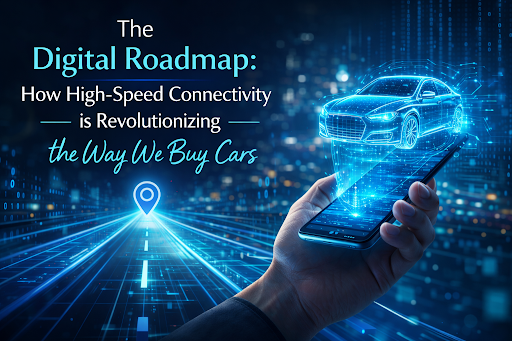
In the modern household, the internet is the invisible thread that connects everything. From the smart thermostat on the wall to the 4K movie streaming in the living room, a reliable connection from providers like Windstream has become the backbone of our daily lives. But beyond entertainment and remote work, high-speed connectivity has fundamentally shifted how we approach one of the most significant investments a person can make: buying a new vehicle.
The days of spending entire Saturdays wandering through local dealership lots, peering through windows, and dealing with high-pressure sales tactics are rapidly fading. Today, the “showroom” is in your pocket, and the research phase happens on your couch.
The Rise of the Digital Research Hub
The car-buying journey now begins long before a consumer sets foot on a physical lot. With the sheer volume of data available at our fingertips, buyers are more informed than ever. We use our home Wi-Fi to compare engine specs, read long-term reliability reports, and watch high-definition video reviews that give us a 360-degree view of a vehicle’s interior.
Websites like AutosToday have become essential pit stops in this journey. They provide the aggregate data and expert insights that allow a buyer to narrow down a list of twenty potential cars to a final two or three, all without burning a drop of gasoline. This digital-first approach saves time and reduces the “buyer’s remorse” that often came with the impulsive car-buying habits of the past.
Connectivity on the Go: The Smart Car Era
The synergy between your home internet and your vehicle doesn’t end once the purchase is made. We are currently living in the era of the “connected car.” Modern vehicles are essentially mobile computers that require regular software updates much like your smartphone or laptop.
Manufacturers now use Over-the-Air (OTA) updates to improve battery efficiency in EVs, update navigation maps, and even add new safety features. A strong home Wi-Fi signal that reaches the garage or driveway ensures that your car stays updated overnight, meaning your vehicle literally gets better while you sleep. This is why a robust home network is no longer just about Netflix; it’s about maintaining the software that keeps your family safe on the road.
The Human Element: Bridging the Virtual and the Physical
While digital tools have made the “hunting” phase of car buying incredibly efficient, there is one area where technology still takes a backseat to the human experience: the physical feel of the vehicle. You can read a thousand reviews about a car’s suspension, but your own “seat-of-the-pants” feel is what ultimately determines if a car is right for you.
However, even this physical step has been “digitally optimized.” Smart buyers are now using online checklists to ensure they aren’t distracted by the “new car smell” during their visit to the dealer. Before you head out, it is vital to understand mastering the car test drive process to ensure you are checking for visibility, ergonomics, and real-world performance rather than just listening to the salesperson’s pitch.
Leveraging Data to Negotiate
Once you’ve used your high-speed connection to find the right model and used a structured approach for your test drive, the final hurdle is the price. This is where the digital roadmap offers its greatest advantage.
In the past, the dealer held all the cards regarding pricing and “fair market value.” Today, bandwidth is the great equalizer. Within seconds, a buyer can see what similar models are selling for across the country, access invoice pricing, and even secure financing through online credit unions. This transparency has forced the automotive industry to become more competitive and customer-centric.
Why Quality Content and Connectivity Matter
For a household powered by a fast, reliable connection, the world becomes smaller and more manageable. Whether you are troubleshooting a tech issue via a Windstream support portal or researching the safety ratings of a mid-sized SUV, the quality of your information determines the quality of your outcome.
The digital transformation of the automotive industry is a perfect example of how technology doesn’t replace the human experience; it enhances it. It allows us to filter out the noise, focus on the facts, and make decisions that are backed by data rather than just emotion.
Final Thoughts
As we look toward the future one filled with autonomous driving features, electric powertrains, and even deeper integration between our homes and our transport the importance of a steady digital foundation only grows. By combining the power of a high-speed home network with the expert resources found on automotive portals, consumers are more empowered than ever.
Buying a car is a journey of a thousand miles, but today, that journey starts with a single click. Make sure your connection is fast, your research is thorough, and you never skip the most important part of the process: getting behind the wheel and seeing where the road takes you.